CGI Marketing Visuals: Transform Your Brand with Computer-Generated Imagery
23 Oct 2025
Transform your brand with CGI marketing visuals! Discover how 3D artistry revolutionizes branding, ads, and campaigns with creative freedom and cost savings.
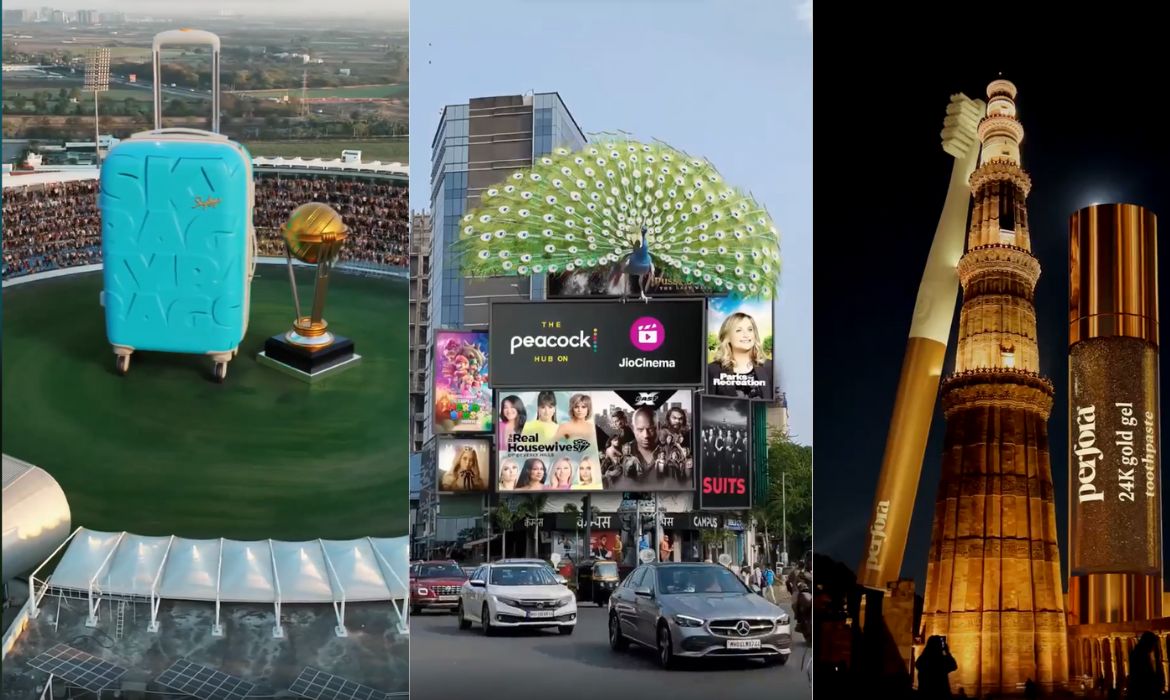
CGI marketing visuals are revolutionizing how brands engage audiences by using CGI as a core element in branding, advertising, and promotional campaigns. This powerful technology involves 3D modeling, texturing, lighting, rendering, and post-production to generate hyper-realistic or stylized imagery for marketing objectives. As digital transformation accelerates, CGI has become an essential tool for creating visually striking, imaginative, and hyper-realistic content that captures attention and drives results.
What are CGI marketing visuals?
CGI marketing visuals are computer-generated images and animations created using 3D software to produce promotional content for brands, including product renders, advertisements, and interactive experiences.
How much can CGI save on marketing costs?
CGI can reduce marketing visual production costs by up to 60% compared to traditional photography and video shoots, especially for complex scenes or campaigns requiring multiple variations.
The Role of CGI in Modern Branding
Brand identity hinges on consistent visual elements that convey personality and values across all touchpoints. CGI has emerged as a game-changing solution for maintaining this consistency while unlocking unlimited creative potential.
Through advanced 3D pipelines using industry-standard tools like Maya and Blender, brands can now standardize their digital assets with unprecedented control. The texturing capabilities of Substance Painter combined with professional lighting techniques ensure every visual stays true to brand guidelines.
Major brands are already leveraging these capabilities with remarkable success. Jacquemus created waves with their fully CGI desert runway, while Maybelline revolutionized cosmetic marketing with virtual lipstick try-ons. These innovations showcase how CGI enables brands to maintain perfect consistency while pushing creative boundaries.
Transforming Ad Campaigns with CGI
CGI has redefined what's possible in advertising by enabling the creation of digital environments and product animations that would be impossible or prohibitively expensive to capture in real life. From digital banners to television commercials, social media content to print advertisements, CGI offers unparalleled flexibility.
The key advantage lies in the ability to adapt visuals across different platforms while maintaining consistently high quality. This multi-platform flexibility, combined with the freedom to create surreal scenarios, gives brands powerful new ways to capture attention.
Perhaps most importantly, CGI often delivers significant cost savings compared to traditional photo and video shoots. Without the need for physical sets, props, or multiple location shoots, brands can create stunning visuals more efficiently than ever before.
Enhancing Promotional Campaigns with CGI
In the realm of promotional campaigns, CGI opens new doors for engagement through virtual product launches, animated explainer videos, and interactive web experiences. These tools don't just capture attention – they encourage sharing and participation.
The technology enables brands to create extraordinary, emotionally resonant content that forms lasting connections with audiences. Interactive 3D banners and CGI-driven microsites provide immersive experiences that traditional media simply cannot match.
Modern web technologies like WebGL and Three.js make it possible to deliver these experiences directly through browsers, while optimized video codecs ensure smooth playback across devices. This technical foundation supports the creation of compelling promotional content that drives real engagement.
The Future of CGI Marketing Visuals
The evolution of CGI marketing visuals shows no signs of slowing. Artificial intelligence is revolutionizing rendering processes through neural textures and advanced denoising capabilities in platforms like NVIDIA Omniverse. Real-time 3D engines such as Unreal Engine and Unity are enabling dynamic advertisements and interactive AR/VR experiences that blur the line between digital and physical worlds.
Virtual production techniques are advancing rapidly, allowing seamless blending of live-action footage with CGI in real-time. This opens new possibilities for creating hybrid content that combines the best of both worlds.
Perhaps most exciting is the trend toward greater personalization. Data-driven CGI variations can now be created for different user segments, ensuring marketing messages resonate more deeply with specific audiences.
Unlimited creative freedom in visual design
Significant cost savings versus traditional shoots
Perfect consistency across all marketing channels
Rapid iteration and adaptation capabilities
Seamless integration with digital platforms
Enhanced audience engagement through interactivity